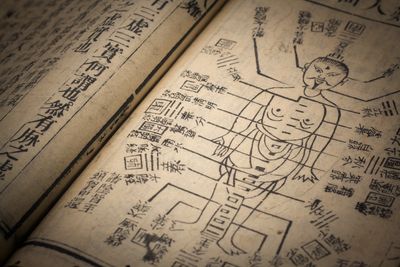
What is Traditional Chinese Medicine?
TCM is a comprehensive and time-honored healing system that has been practiced for thousands of years to promote harmony and balance within the body, mind, and spirit. Rooted in the understanding that health depends on the smooth flow of Qi (vital energy) through pathways called meridians, TCM seeks to identify and correct imbalances that lead to illness or discomfort. Treatments such as acupuncture, herbal medicine, cupping, moxibustion, and dietary therapy are used to support the body’s natural healing abilities. Rather than focusing only on symptoms, TCM addresses the root cause of imbalance, aiming to restore vitality, strengthen the immune system, and enhance overall well-being. It offers a gentle, natural approach to health that supports both prevention and healing, helping individuals feel more balanced, resilient, and connected to their bodies.
What is Qi?
Qi is the vital life force or energy that animates and sustains all living things in TCM). It flows through an intricate network of pathways called meridians, nourishing organs, tissues, and cells while maintaining the body’s overall harmony and balance. When Qi flows smoothly and abundantly, we experience health, vitality, and emotional well-being. However, when Qi becomes stagnant, deficient, or blocked—due to stress, poor diet, emotional strain, or injury—symptoms such as pain, fatigue, or illness can occur.
TCM practices like acupuncture, herbal medicine, tai chi, and qigong are designed to restore the natural flow of Qi, supporting the body’s innate ability to heal, adapt, and maintain balance on both physical and emotional levels.
What are Meridians?
Meridians are the pathways through which Qi flows throughout the body, forming an interconnected network that links the organs, tissues, and systems together. In Traditional Chinese Medicine, these channels are essential for maintaining balance and communication within the body.
When Qi moves freely through the meridians, the body functions optimally and maintains a state of harmony. However, if these pathways become blocked or disrupted—due to stress, injury, or internal imbalances—symptoms such as pain, tension, or illness may arise.
Acupuncture works by stimulating specific points along these meridians to restore the smooth flow of Qi, helping to relieve discomfort, improve function, and support the body’s natural healing processes.
The Balance of Yin & Yang
At the core of Traditional Chinese Medicine is the concept of Yin and Yang—two complementary forces that exist in everything within the body and the natural world. Yin represents qualities such as rest, nourishment, and cooling, while Yang represents activity, warmth, and energy.
Health is achieved when Yin and Yang are in balance. When one becomes excessive or deficient, it can lead to symptoms or disease. For example, too much Yang may present as inflammation or stress, while too much Yin may result in fatigue or sluggishness.
TCM treatments are designed to restore this balance, helping the body return to a state of equilibrium where it can function optimally and maintain long-term wellness.
Treating the Root, not just the Symptoms
One of the key principles of Traditional Chinese Medicine is treating the root cause of imbalance rather than simply addressing symptoms. While symptoms provide important clues, they are often just the surface expression of a deeper issue within the body.
Through detailed evaluation methods—such as tongue and pulse diagnosis—TCM identifies patterns of imbalance unique to each individual. Treatment is then tailored to address those patterns, promoting lasting relief and preventing recurrence.
This personalized approach helps patients not only feel better in the moment, but also build a stronger, more resilient foundation for long-term health.